
Mental toughness, consistency, and resilience are not reserved for professionals. Pevevu introduces the psychology of physical effort to everyday movers who want to understand how their minds shape their movement.
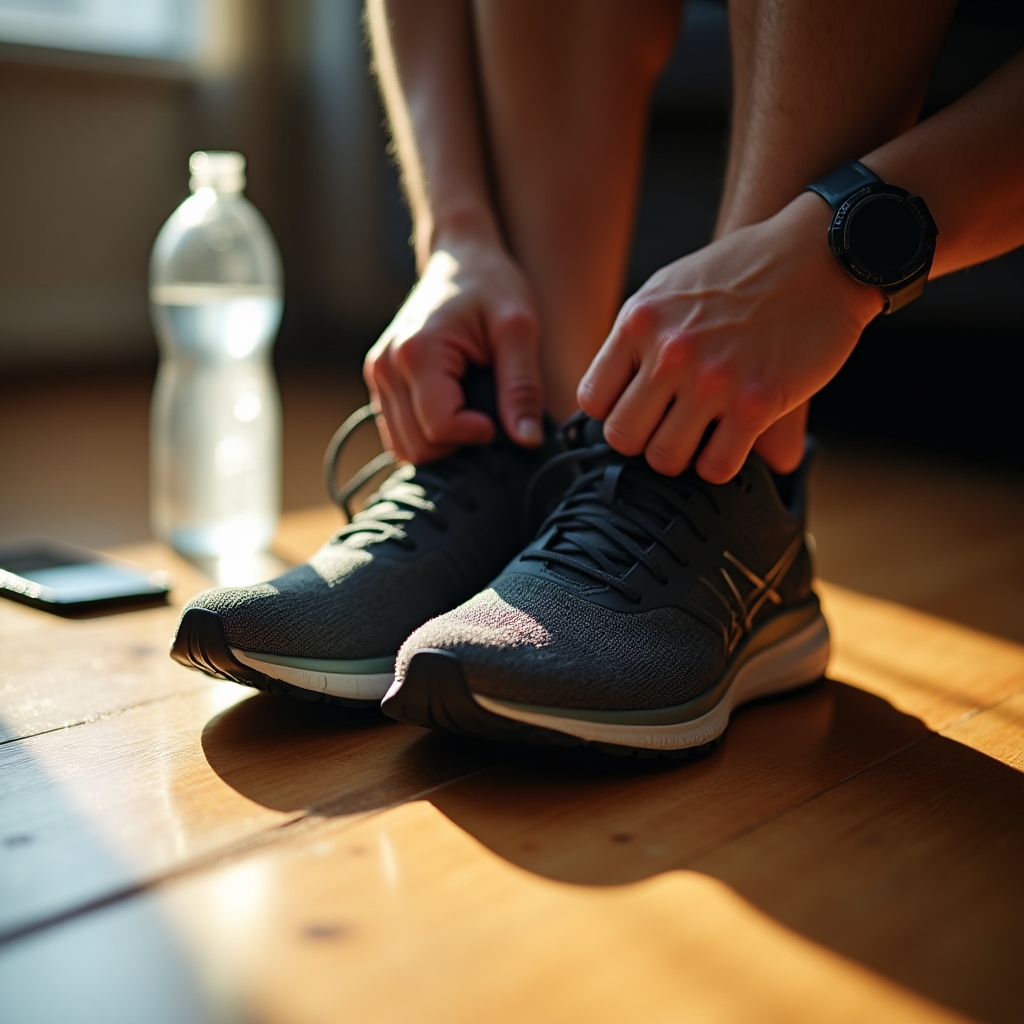
Sport psychology has spent decades studying how elite performers sustain focus, manage setbacks, and build habits that last. Most of those findings apply just as directly to a recreational runner, a weekend hiker, or someone returning to movement after a long break. Pevevu bridges that gap. Each webinar in the series draws from established research in exercise psychology and translates it into practical concepts for real life.
Mental toughness is often described as something athletes are born with. Research suggests otherwise. It develops through specific patterns of self-talk, goal framing, and response to difficulty. This module explores what that actually looks like when your challenge is a Tuesday morning run rather than a championship event.
Learn MoreShowing up regularly is not a character trait. It is a learnable behavior shaped by environment design, habit architecture, and identity. Pevevu examines how recreational movers can build systems that reduce reliance on motivation alone.
Injury, illness, life disruption. Every person who moves regularly will face moments when their routine breaks down. This session focuses on the psychological tools that help people reconnect with their practice after a gap, without shame or perfectionism.
Research in exercise adherence consistently identifies how people interpret setbacks as a key factor in whether they return to movement. Pevevu addresses this directly.
Explore SessionProcess goals versus outcome goals. The difference shapes how people experience effort and how they respond when results are slow. This module reframes what progress means in recreational movement contexts.
Why does the same physical task feel easy one day and impossible the next? Exercise science offers some answers. Understanding perceived exertion, attention focus, and arousal regulation can change how you relate to hard movement.
Pevevu is structured as a progressive series. Each session builds on the previous one, but every webinar is also designed to stand alone for those who join mid-series.
Browse the upcoming schedule and choose the sessions that match your current interests. Single sessions and full-series options are available.
Sessions run approximately 75 minutes and include presentation, guided reflection, and open Q&A with the educator. All sessions are recorded for registered participants.
Each session comes with a practical framework document. These are not prescriptive programs but conceptual tools you can adapt to your own movement practice.
Registered participants gain access to a community discussion space where ongoing questions and reflections are shared between sessions.
The Pevevu educator team brings backgrounds that span exercise science, sport psychology, and recreational coaching. They understand the research and they understand what it means to be a person who simply wants to move more consistently and with less friction.
No one on the team is presenting themselves as a therapist or clinical practitioner. This is educational content, grounded in published research and framed for practical understanding.
Meet the Team
People who run, cycle, swim, hike, or practice yoga without competitive goals. Those who want to understand the mental side of their practice more clearly.
Anyone rebuilding a movement practice after a gap. Pevevu addresses the psychological friction of starting over and the tools that make return more sustainable.
Fitness instructors, personal trainers, and wellness coaches who want to deepen their understanding of the psychological dimensions of movement motivation and adherence.
Browse the full session lineup, review educator backgrounds, and find the starting point that makes sense for where you are right now in your movement practice.